RTP Realities: Decoding Slot Return Rates for Smarter Mobile Choices
Understanding RTP at Its Core
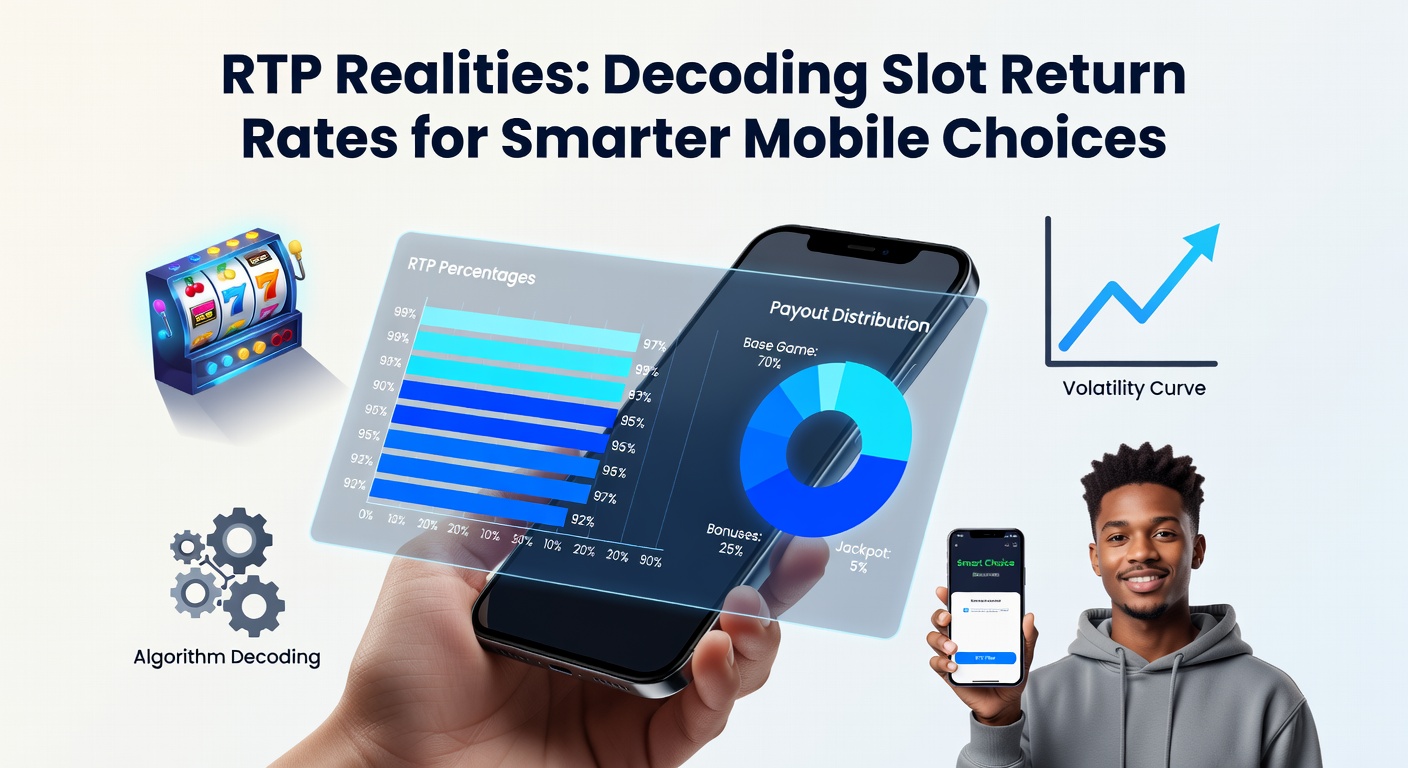
Return to Player, or RTP, represents the percentage of wagered money a slot machine returns to players over time, and experts have long emphasized its role in shaping expectations for games on mobile devices. Data from industry audits shows typical RTP rates hovering between 92% and 98% for most online slots, meaning for every $100 wagered, the game theoretically pays back $92 to $98 in the long run; yet short-term results swing wildly due to built-in randomness. Researchers at the New Jersey Division of Gaming Enforcement track these metrics rigorously, revealing how certified slots maintain their advertised RTP through millions of simulated spins before launch.
But here's the thing: RTP doesn't promise wins on every spin or even every session, since casinos build in a house edge that ensures profitability over endless play; observers note players often confuse this long-term average with immediate outcomes, leading to misconceptions about "hot" or "cold" machines. Studies conducted by gaming labs indicate RTP calculations factor in all possible outcomes from paylines, bonuses, and free spins, creating a theoretical benchmark rather than a daily payout guarantee.
How Slots Calculate RTP in Practice
Developers program RTP directly into the game's math model, where algorithms determine symbol probabilities and payout structures; for instance, a slot with 96% RTP might feature low-paying symbols landing 40% of the time, while jackpots trigger rarely but pay massively when they do. Figures from the Alcohol and Gaming Commission of Ontario highlight how regulators verify these models, mandating independent testing to confirm RTP aligns with published figures across jurisdictions.
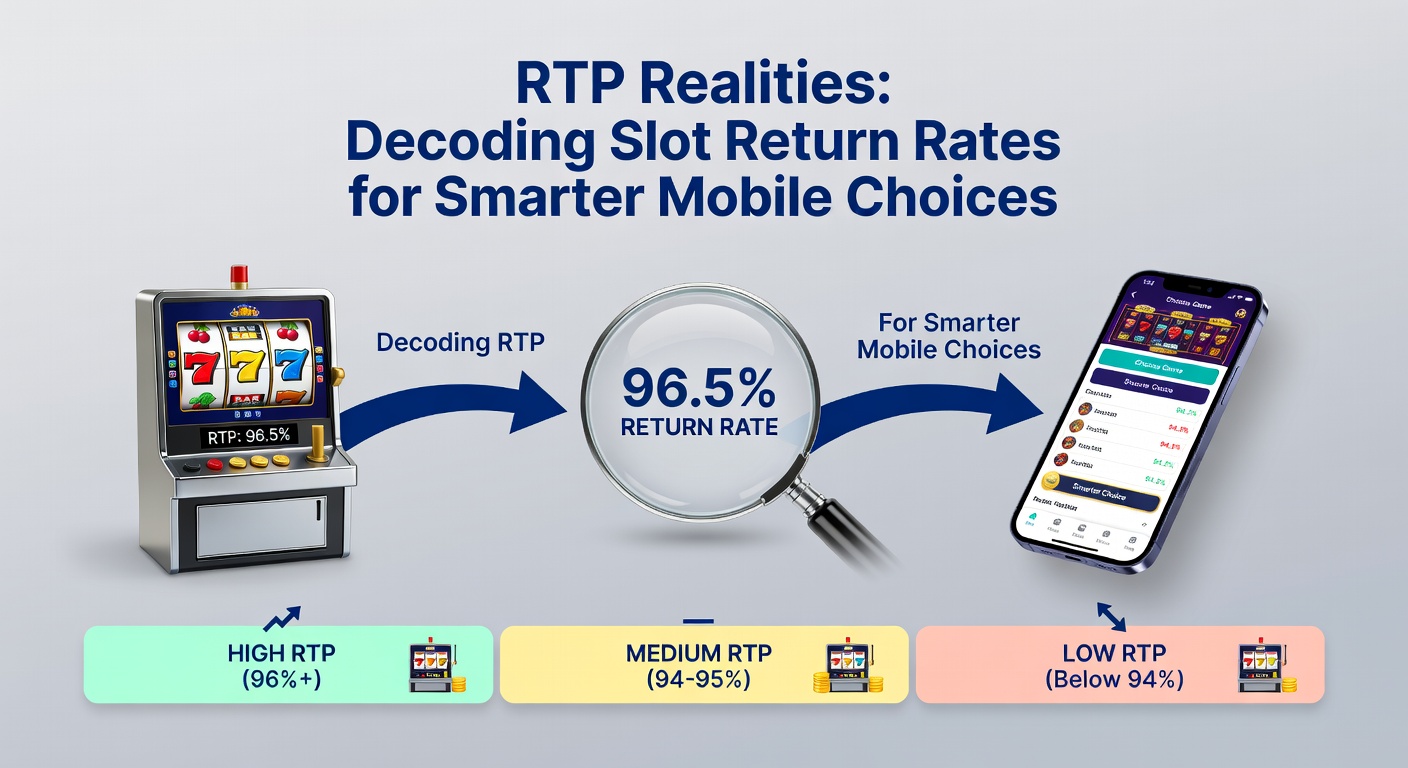
And while land-based slots average around 88-92% RTP because of higher operational costs, mobile versions often push higher to 95-97%, thanks to lower overhead and fierce competition among operators; that's where the rubber meets the road for savvy players scanning app stores or casino lobbies. Take one popular title like Starburst, where data reveals a steady 96.09% RTP across devices, but with high volatility meaning dry spells punctuate explosive wins.
What's interesting is the role of progressive jackpots, which dip overall RTP slightly since a portion of bets funds the growing prize; experts observe these hybrids balancing allure with math, often listing separate RTPs for base game versus jackpot components.
The Realities Beyond the Percentage
Variance, or volatility, pairs with RTP to paint the full picture, as low-volatility slots deliver frequent small wins aligning closely with the return rate, whereas high-volatility ones chase big payouts amid longer losing streaks; research from the American Gaming Association underscores how players chasing jackpots endure more swings despite identical RTPs. People who've analyzed thousands of sessions often discover that a 96% RTP high-variance game feels punishing short-term, even if math evens out eventually.
Hit frequency adds another layer, typically ranging from 20-30% for standard slots, dictating how often any win occurs regardless of size; so a game boasting 98% RTP might still frustrate if hits land infrequently. Turns out, mobile adaptations shine here, with touch-optimized interfaces speeding up spins and incorporating features like auto-play that amplify session volume without altering core RTP.
Now, consider maximum win caps, which regulators in places like Malta enforce to prevent unlimited payouts skewing returns; data indicates these caps, often 10,000x stake or fixed amounts, effectively lower achievable RTP for top-tier hits, a detail buried in fine print that those digging into paytables uncover.
Mobile-Specific RTP Dynamics
On smartphones and tablets, slots run via HTML5, ensuring identical RTP to desktop counterparts since the same server-side random number generator governs outcomes; yet bandwidth tweaks and battery-saving modes occasionally adjust visuals without touching math. Observers note iOS and Android apps from licensed operators display RTP prominently in game info, complying with standards from bodies like the Alderney Gambling Control Commission.
But here's where it gets interesting: geo-fencing tailors RTP slightly by region, with European markets enjoying averages above 96% due to stricter consumer protections, while some Asian platforms dip lower around 92-94% amid looser oversight; April 2026 updates from Australian regulators, including enhanced transparency mandates, push operators to highlight mobile RTP variances upfront.
Case in point, a study by the University of Nevada's gaming research center examined 50 top mobile slots, finding 94% maintained certified RTP within 0.5% deviation across 4G and Wi-Fi, but lag spikes on slower networks led players to abandon sessions prematurely, skewing perceived returns.
Decoding Rates for Smarter Picks
Players spot high-RTP gems by checking provider reputations—NetEnt and Pragmatic Play average 96.5%, per aggregated casino data—while avoiding unverified offshore sites promising 99% that rarely hold up under scrutiny. Tools like casino comparison sites aggregate verified RTPs, and apps now integrate filters for 96%+ games, streamlining choices amid thousands of titles.
So, a practical breakdown: slots under 94% RTP signal caution, especially progressives; 94-96% suit casual play with balanced volatility; above 96% excels for grinders maximizing long-term value, although always paired with bankroll management since variance doesn't care about math knowledge.
Experts who've reverse-engineered popular mobiles reveal bonus buy features boosting effective RTP temporarily, say from 96% to 97.5% by skipping base-game grinds, a mechanic gaining traction in 2026 with new EU guidelines standardizing disclosures.
It's noteworthy that demo modes mirror real RTP precisely, allowing risk-free testing of variance; people often find this trumps hype videos, revealing true payout rhythms before committing funds.
Navigating Regulations and Verification
Independent auditors like eCOGRA and iTech Labs certify RTP for global operators, publishing monthly reports that confirm adherence; for mobile, this means apps undergo extra scrutiny for seamless RNG performance across devices. In the US, states like Pennsylvania mandate RTP listings in lobbies, a trend expanding by April 2026 as more jurisdictions digitize oversight.
Yet pitfalls persist—unlicensed apps fudge numbers, so cross-referencing with official licensee lists from regulators proves essential; one case saw a rogue operator inflating RTP claims until Australian authorities intervened, fining millions and delisting the app.
And while blockchain provably fair slots emerge, verifying RTP via public ledgers, adoption lags behind traditional certified games where trust hinges on established labs.
Conclusion
Decoding RTP realities equips mobile players with tools to sidestep myths and chase verifiable value, as data consistently shows informed choices correlate with better session outcomes over time. High RTP slots, understood through variance, frequency, and regulatory backing, turn random spins into calculated engagements; with 2026 bringing tighter mobile disclosures worldwide, the landscape sharpens further. Those prioritizing certified rates from reputable providers position themselves ahead, where math meets opportunity without the guesswork.