
Primm's Final Curtain: Last Casino Hotel in Nevada Border Town Slated for Closure in 2026, Signaling Rise of Gambling Ghost Town
The Once-Bustling Strip on the Nevada-California Line
Primm, Nevada—that dusty speck straddling the state line with California—once hummed with the clatter of slot machines and the shuffle of gamblers crossing over for better odds and no state income tax; now, with Primm Valley Resort set to shutter on July 4, 2026, the town edges toward silence, following the earlier fade-outs of its sister properties. Whiskey Pete’s locked its doors back in December 2024, while Buffalo Bill’s shifted to special events only come July 2025, leaving behind a trail of emptied rooms and darkened neon. Figures reveal the toll: 344 jobs vanished, 624 hotel rooms gone dark, over 300 slot machines pulled offline, and a slew of restaurants, pools, and entertainment spots left vacant.
Observers who've watched the Strip evolve note how Primm thrived in the '90s and early 2000s as a quick getaway for Angelenos dodging California's stricter gambling laws; traffic jammed I-15 weekends, outlets buzzed with shoppers, and casinos raked in millions from day-trippers. But here's the thing—those glory days crumbled under pressures that hit harder than anyone expected, turning a vibrant outpost into what Nevada Gaming Control Board reports describe as a declining frontier hub.
Timeline of Decline: From Triple Threat to Total Retreat
Buffalo Bill’s, with its roller coaster and cowboy theme, stood as the flashy anchor until revenue dips forced cutbacks; by July 2025, it morphed into a venue for sporadic events, stripping away daily gaming ops. Whiskey Pete’s followed suit in December 2024, its tower looming empty after years of hosting high-rollers and highway stops. Primm Valley Resort, the last holdout, now faces its own Independence Day exit in 2026, coinciding with fireworks that once drew crowds but will mark an end instead.
And as May 2026 rolls around, the resort still operates—slots spinning, tables dealing, rooms booking—yet countdown signs and staff whispers hint at the inevitable, with management citing unsustainable losses in public statements. Data from industry trackers shows occupancy rates hovering below 40% post-pandemic, a far cry from peaks when the three properties together pulled in over $100 million annually.
Job Losses and Economic Ripples Hit Hard
The numbers paint a stark picture: 344 positions eliminated across the properties, from dealers and housekeeping to cooks and security, scattering families across the desert job market; many commuters from nearby towns like Nipton or Searchlight now face long drives to Laughlin or Vegas. Local businesses—gas stations, diners, motels—feel the pinch too, as foot traffic evaporates, turning what was a self-sustaining ecosystem into a ghost of its former self.
Take one former dealer who shared with reporters how shifts dwindled from 12 hours of frenzy to quiet nights with more empties than players; stories like that echo through barstools in surviving spots, where folks swap tales of pink slips and relocation hunts. Broader stats from the American Gaming Association highlight how border casinos nationwide grapple with similar squeezes, though Primm's isolation amplifies the blow.
Competition Heats Up: Southern California Casinos Steal the Show
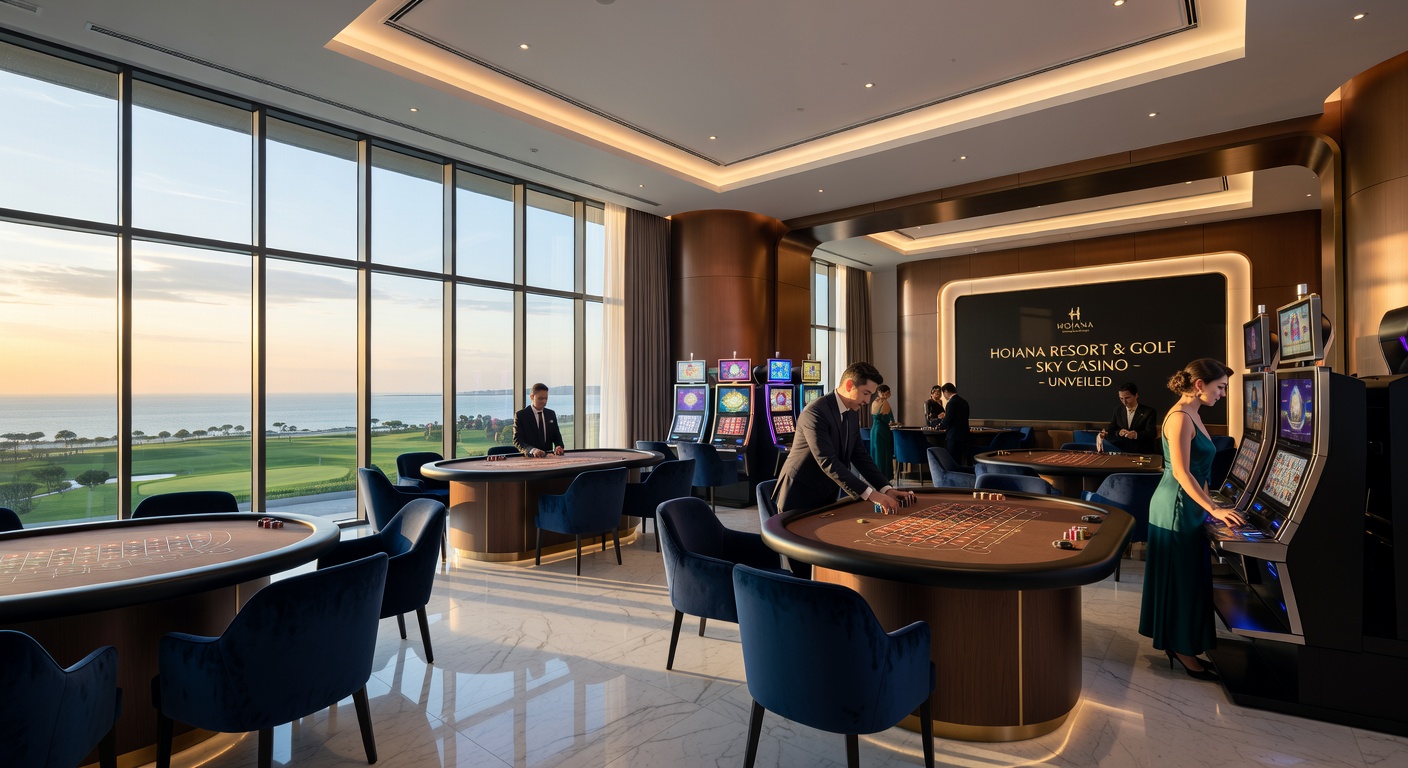
Southern California's tribal casinos—places like Pechanga and Morongo—expanded massively in recent years, offering luxury resorts, top-tier entertainment, and no need for a border hop; data indicates their room counts and slot floors ballooned 20-30% since 2010, siphoning Primm's core crowd who now stay closer to home. Add in traffic snarls from California Highway Patrol checkpoints and I-15 construction, and the drive from LA loses its appeal fast.
What's interesting here is how Primm couldn't pivot quick enough; while SoCal spots added spas, golf, and celeb chef spots, Primm clung to basics—cheap rooms, basic buffets, roller coasters that aged out. Turns out, gamblers evolved too, craving experiences over edge bets, leaving the old formula in the dust.
Post-COVID Slump and the Online Gambling Surge
The pandemic hammered Primm hard—closures stretched months, hygiene fears kept drivers away, and remote work blurred the weekend escape vibe; recovery never fully clicked, with 2023-2025 revenues lagging 60-70% behind pre-2020 levels according to state filings. But the reality is bigger shifts reshaped the industry: online gambling exploded, platforms like DraftKings and FanDuel pulling in billions stateside, letting folks bet from couches without the trek.
Studies from UNLV's International Gaming Institute reveal mobile wagering now claims over 25% of Nevada's total handle, up from negligible shares a decade ago; non-gaming perks dominate too, as Vegas mega-resorts lure with Cirque shows and poolsides while Primm's outlets wilted against online shopping booms. People who've tracked this know the writing's on the wall—bricks-and-mortar edges erode when apps deliver thrills instantly.
Expert Warnings: Primm as America's First Gambling Ghost Town
University of Nevada Las Vegas researchers sound the alarm, dubbing Primm potentially the nation's inaugural "gambling ghost town," mirroring Nevada's mining relics like Rhyolite or Goldfield where booms busted into boarded facades; experts observe parallels in boom-bust cycles, isolation, and economic one-trick reliance. One study laid out scenarios: if no new operators step in, casinos crumble, outlets close, and tumbleweeds roll through by 2028.
Yet threads of hope linger—speculation swirls around solar farms or EV charging hubs repurposing the land, given its solar-rich desert perch; still, those who've studied ghost towns note revival's rare without massive reinvestment. As May 2026 unfolds, locals eye the horizon warily, betting against odds that have already beaten the house.
Broader Industry Shifts Echo in Primm's Fall
This isn't just a local tale; patterns repeat across rural gaming outposts, from Iowa riverboats to Oklahoma truck stops facing online and urban rivals. Figures show U.S. casino count stabilized at around 1,000, but rural spots shed 15% of floors since 2019; Primm exemplifies the pivot, where operators chase urban density or digital frontiers over dusty borders.
And while Vegas booms with Sphere spectacles and Formula 1 races, fringes like Primm fade, prompting questions on sustainability for non-metro properties. Observers point to cases like Atlantic City's boarded piers or Mississippi river closings, where adaptation lagged and ghosts took hold.
Conclusion: What Lies Ahead for Primm?
With Primm Valley Resort's July 4, 2026, closure capping the trio's demise, the town braces for a quieter chapter—344 jobs gone, facilities mothballed, and a potential ghost town label etched in neon memory; competition from nearby casinos, a stubborn post-COVID hangover, and the online gaming tidal wave all conspired to dim the lights. UNLV experts forecast an eerie calm akin to mining ruins, unless redevelopment sparks life anew.
So as the desert wind whistles through empty lots come summer 2026, the story of Primm stands as a cautionary marker for an industry in flux; those navigating it watch closely, knowing the ball's now in the court of innovators who might resurrect the Strip—or let silence settle for good.